 Manufacturer
|
Giacomo Borgogno & Figli |
|---|---|
 Country of production
|
Italy |
 Region
|
Piemont |
 Appellation
|
Barolo DOCG |
 Colour
|
Red |
 Grape varieties
|
Nebbiolo |
 Allergens
|
Sulphites |
 Alcohol content
|
14% |
 Capacity
|
0.75L |


1761 Bartolomeo Borgogno establishes the winery
Nebbiolo (Italian), or Nebieul (Piedmontese dialect) is a red Italian wine grape variety predominantly associated with the Piedmont region where, vinified mainly 100% pure, it makes the two important and well-known DOCG wiens Barolo e Barbaresco. Nebbiolo is thought to derive its name from the Italian word nebbia which means “fog”. During harvest, which generally takes place late in October, a deep, intense fog sets into this region where many Nebbiolo vineyards are located. Alternative explanations refers to the fog-like milky veil that forms over the berries as they reach maturity or that perhaps the name is derived instead from the Italian word nobile, meaning noble.
About the wine
It comes from all the estate’s vineyards, five of the best Crus in Barolo area: Liste, Cannubi, Cannubi San Lorenzo, Fossati and San Pietro delle Viole. The first one, was born 11 million years ago from soil erosion, is composed by a completeness of micro and macro elements that combined together give to the wine peculiar characteristics of complexity and longevity. Cannubi and Cannubi San Lorenzo were born 12 million years ago from the sedimentation of the sea that occupied the Plain of the Po river, is the most famous and vocated Barolo Cru. They have an amazing complexity of terroir, formed by marly-calcareous soil and a very favorable climate and they give origin to wines with distinguished characters of elegance and longevity. Fossati vineyard was born about 10 million years ago from the sedimentation of the sea that occupied the Plain of the Po river after the push of the African continent against Italian peninsula. Since this vineyard has a relatively young terroir, it is composed by a good percentage of sand and its wines have great floral and red fruits fragrances. San Pietro delle Viole was born 9/10 million years ago and it is the youngest Borgogno vineyard. As its name explain, San Pietro delle Viole, the Barolo has fragrant bouquet, recalling violets notes, always soft and open. Grape harvest: first ten days of October, 2000
Winemaking
Harvest: Cold winter with few snowfalls followed by a rainy spring. Hot temperatures and good weather lasted all summer long that helped the grape to mature perfectly. The first part of September was rainy, but from the middle of September and for all October long good weather came back and warm temperatures favoured late grape varieties to finish the maturation cycle.
regular fermentation and submerged cap maceration; racking off during the first ten days of November. Ageing: one years in concrete vats and over three years in big Slavonian oak barrels. Bottling: April 2005.
Food pairing
Barolo Borgogno is one of the oldest Barolo produced following a classic and natural style. These precious bottles could have some sediment settled in the bottom, for this reason decanting the wine few minutes before the service is recommended. “We think it is wrong to recommend a “perfect” food – wine pairing, because everyone have their personal ideas and tastes. However we can suggest with whom it is perfect to drink this wine. With everybody!”. Serving temperature: 18/20 °C
|
Manufacturer
|
Giacomo Borgogno & Figli |
|---|---|
|
Country of production
|
Italy |
|
Region
|
Piemont |
|
Appellation
|
Barolo DOCG |
|
Colour
|
Red |
|
Grape varieties
|
Nebbiolo |
|
Allergens
|
Sulphites |
|
Alcohol content
|
14% |
|
Capacity
|
0.75L |
Related products

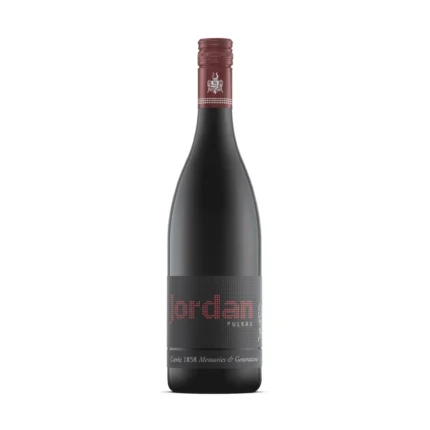
Jordan Cuvée 1858 Memories & Generations 2021 13% vol.
13,80 € sis. KM
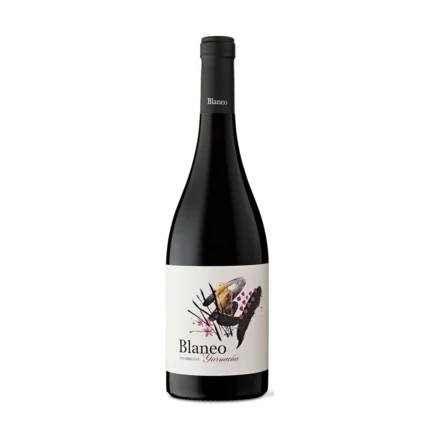
Pagos de Araiz Blaneo Garnacha 2021 15% vol.
18,50 € sis. KM
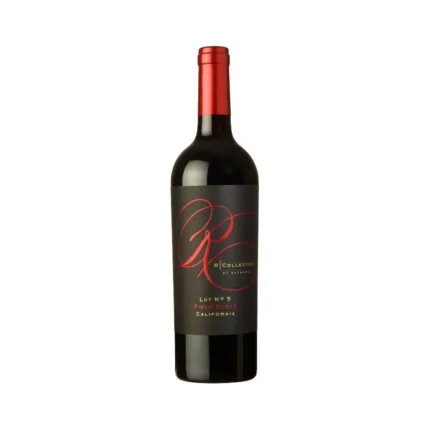
Raymond R Collection Field Blend 2020 13.5% vol.
16,66 € sis. KM